PROJECTS
The settings behind these projects are different, but a similar approach runs through them: understanding what is already available, recognizing connections between things being considered separately, and developing from what those relationships make possible.
-
![]()
Developing Work Experiential Learning and Participation Model Initial application: Youth experiential learning
The situation: People are often expected to make consequential decisions about education, work, and adulthood without enough opportunity to experience different environments, responsibilities, forms of contribution, or ways of applying what they know and can do. At the same time, there is no shortage of problems that need people willing and able to participate in solving them.
What I saw
Those two conditions are usually treated separately. One is approached as a question of education, career preparation, or personal development. The other is approached as a question of organizational, environmental, or community need. The initial application of this model was developed around the relationship between them. Rather than beginning only with what young people should choose for their futures, the model asks what they have had an opportunity to experience before those choices are made and what genuine needs around them could provide a meaningful context for that experience.
What I developed
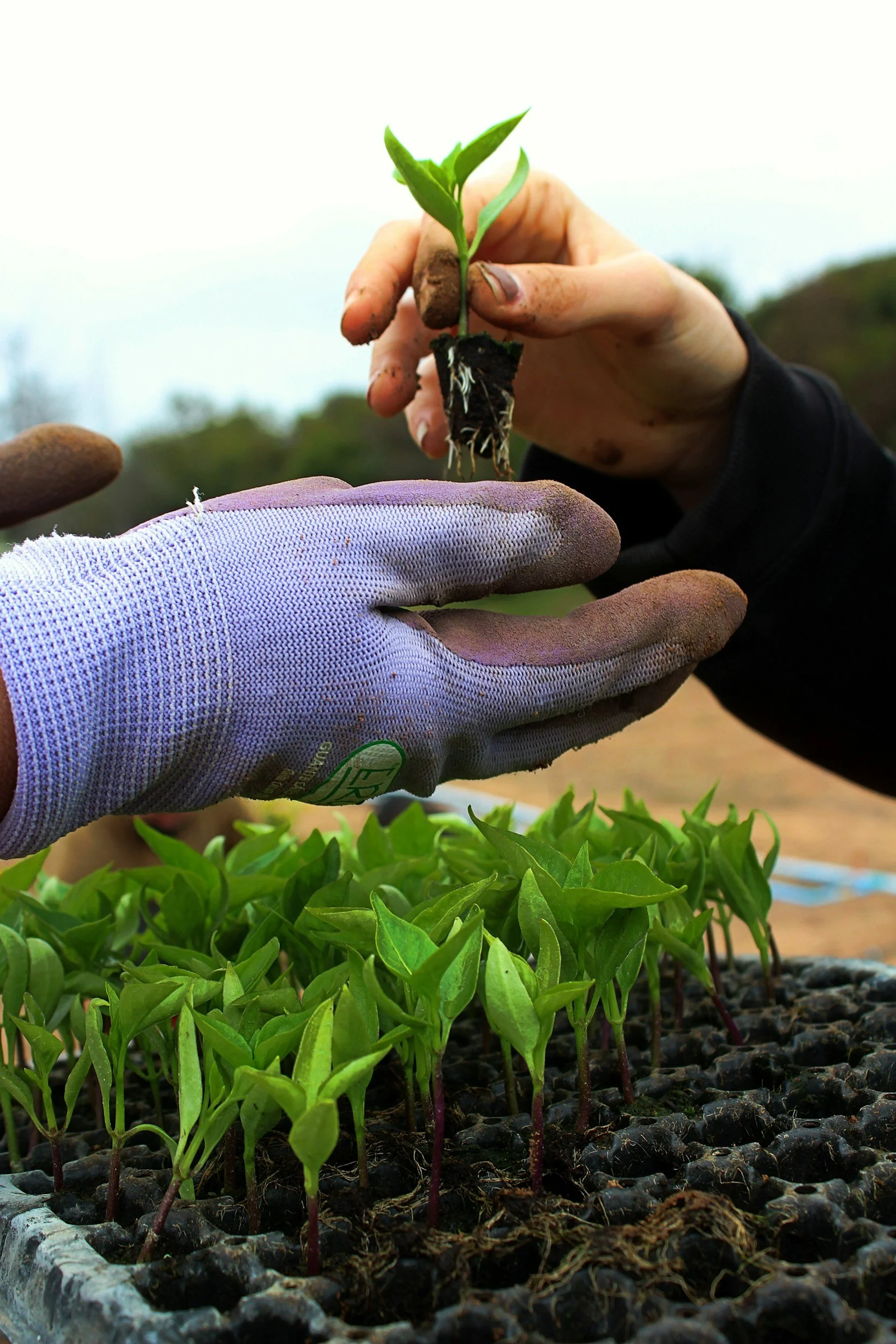
Businesses, nonprofits, agencies, conservation organizations, animal advocacy organizations, community groups, and others can contribute real, appropriately structured challenges. Participants investigate the situation, learn from people who understand it, research, collaborate, develop ideas, exercise judgment, and contribute to addressing the need itself. The need is real. The contribution should be real too. Participants need enough structure and support to encounter difficulty, make decisions, adapt, and discover what they can contribute without being given responsibility that properly belongs to trained professionals or organizations. Reflection turns experience into information. Attention, frustration, curiosity, working preferences, emerging abilities, and the desire to continue exploring particular areas can inform what a participant chooses to pursue next.
What it makes possible
The participant gains experience, knowledge, self understanding, and an opportunity to discover where their abilities are useful. The organization, community, conservation effort, animal related need, public resource, or other initiative should receive something of genuine value as well. What the participant learns and what they contribute are both part of the model. Although the initial application was developed for youth, the model is not limited to age or a particular transition. People with knowledge, experience, interests, abilities, and time may have few meaningful routes into the problems and causes they care about. People at different stages of life, with different abilities, circumstances, or ways of working, may not fit easily into conventional pathways. The larger opportunity is to create meaningful routes into contribution: ways for people to discover what they can do while contributing to needs that already exist beyond themselves.
-
![]()
Organizational Growth and Development Strategy
The situation: A growing athletic organization was pursuing facility improvements, wellness programming, sponsorship, community engagement, leadership development, stronger internal systems, and future expansion.
What I saw
The development problem was not simply how to advance each project. The initiatives depended on many of the same resources, relationships, people, and organizational systems, and decisions in one area had consequences elsewhere. Facility decisions affected programming and participant experience. New programming created operational and staffing requirements. Community relationships could contribute to sponsorship, participation, and future growth. Expansion placed different demands on leadership and internal systems.
What I developed
I developed a phased growth strategy that sequenced those priorities across the year. The first stage focused on internal systems, staffing, facility organization, and growth of an existing league. Facility improvements and an initial wellness pilot followed. Sponsorship and community expansion came next, followed by leadership development, evaluation, and preparation for future locations. The work included an internal system map, facility and wellness planning, sponsorship development, community outreach, operational documentation, and an expansion framework.
What it made possible
The resulting strategy placed the organization’s ambitions within a larger development sequence, showing where one initiative could support another and what needed to be in place before the organization took on more. What it needed was for the ideas to stop behaving like strangers.
-
![]()
Cross Organizational Partnership Development
The situation: One organization had an established facility, staff, participant network, and community presence. Another had wellness equipment, specialized expertise, resources, capital, and an interest in expanding how and where people could experience its products.
What I saw
Neither needed to become the other. The opportunity was in what each already had. Neither organization independently contained everything required for the opportunity. The possibility existed in bringing complementary assets together.
What I developed I developed
A proposed joint venture that combined the first organization’s physical infrastructure, operations, and existing community with the second organization’s equipment, expertise, and investment. The initial concept was a functioning wellness and recovery center inside an existing facility, with cold-plunge and infrared-sauna equipment, a recovery area, member access, product education, and a physical environment designed to serve both existing participants and the surrounding community. Making the partnership workable required decisions about ownership and governance, financial responsibility, facility build-out, staffing, operations, access, maintenance, communication, participant experience, evaluation, and responsibility between partners.
What it made possible
The pilot provided a bounded way to test both the concept and the working relationship before either organization made a larger commitment. Information about use, participant response, operations, and financial performance could then inform decisions about future expansion.
-
![]()
Growth, Operations, and Community Development Strategy
The situation: A growing service company had an immediate seasonal revenue opportunity while also working to strengthen professional relationships, expand into additional residential and commercial markets, improve internal systems, generate future business, and shift the owner’s role away from daily crew management toward sales, relationships, and growth.
What I saw
Treating the seasonal opportunity solely as a short term sales initiative would have captured only part of its value. The service placed the company in front of homeowners, neighborhoods, builders, realtors, and other professionals whose relationships and future needs extended beyond the immediate transaction. At the same time, generating additional demand without developing the organization responsible for carrying it could create strain elsewhere. Market development and organizational development needed to move together.
What I developed
The strategy connected two kinds of development. The first centered on the market: launching and filling the seasonal service, increasing visibility in additional neighborhoods, strengthening builder and professional relationships, and using the immediate work to create introductions that could support future landscaping and commercial demand. The second centered on the organization expected to carry that growth: lead management, sales responsibilities, crew capacity, internal roles, and the systems required for the owner to spend less time managing daily field operations and more time developing relationships and business.
What it made possible
The seasonal opportunity became a practical point from which market development and organizational development could move together rather than allowing growth in one to create strain in the other.
-
![]()
Community Relationships and Resource Development
The situation: A service based company had accumulated significant knowledge through repeated involvement in moves, unpacking, downsizing, preparing and settling homes, and other moments of transition. The original question centered on marketing its existing services.
What I saw
A broader examination revealed assets that were not represented by the services listed on its website. Repeated exposure to similar circumstances had produced practical knowledge about recurring client difficulties, overlapping needs, and the network of professionals serving many of the same people at different stages. The company’s knowledge and relationships were resources in their own right.
What I developed
The work broadened from promotion into developing ways that knowledge and those relationships could become useful beyond a traditional marketing campaign. Concepts included presentations for realtors and other professional groups, community resource materials, relationship based gift programs, collaboration with home décor and furniture businesses, and connections with senior move management and related professionals.
What it made possible
Those applications created different routes into the company through education, reciprocal referrals, professional collaboration, community presence, and coordinated support. The resulting strategy broadened the company’s position without requiring it to become an entirely different business.
-
![]()
Public Space Design and Community Care
The situation: A local effort to provide seating at public transportation stops began with a straightforward need: People waiting for buses needed somewhere to sit.
What I saw
Examining the resource across its full life introduced a wider set of considerations. Riders needed a functional and accessible place to wait. Drivers required appropriate visibility. Municipal requirements affected what could occupy public space. Materials and design decisions influenced resource use, durability, maintenance, and response to damage. Responsibility continued after installation. Considering those positions together changed the design criteria. Aesthetic decisions could not be separated from safety, maintenance, longevity, resource use, and institutional feasibility.
What I developed
The concept expanded from the object itself to its lifecycle and the system of responsibility around it. Maintenance also introduced an opportunity for meaningful community participation. Youth organizations, service programs, community groups, or people seeking substantive ways to contribute could assume defined stewardship roles where those roles met a genuine public need and were supported appropriately. This would not eliminate institutional responsibility or turn necessary maintenance into symbolic participation. Stewardship could instead be designed into the life of the resource while maintaining clear responsibility for its continued function.
What it made possible
What began as a question about providing a bench became a broader examination of lifecycle, resource use, responsibility, participation, and care.